Guide to Legal Documents For Selling Land in California (2026)
How to Sell Land in California
Selling land in California involves more paperwork than most people expect. Before any money changes hands, both the seller and the buyer must work through a specific set of legal documents that protect everyone involved. These forms establish the terms of the deal, confirm ownership, and ensure the transfer meets state law.
The good news is that once you understand which key documents are required, the process becomes much more manageable. At its core, a California land transaction involves a purchase contract, a grant deed, required disclosure forms, and a few supporting items that confirm land value and legal status. Each piece serves a purpose, from setting the closing date to confirming that the vacant land is free of undisclosed problems.
This guide walks you through the many documents involved so you know exactly what to expect before you list your parcel.
Need To Sell in CA: Background and Context
Understanding why each document exists makes selling your property far less stressful. California has some of the most detailed real estate laws in the country, and those rules apply whether you are completing a traditional agent-assisted transaction or going the sale by owner route. Knowing what documents are needed to sell your land, and why they matter, helps you avoid costly delays at closing.
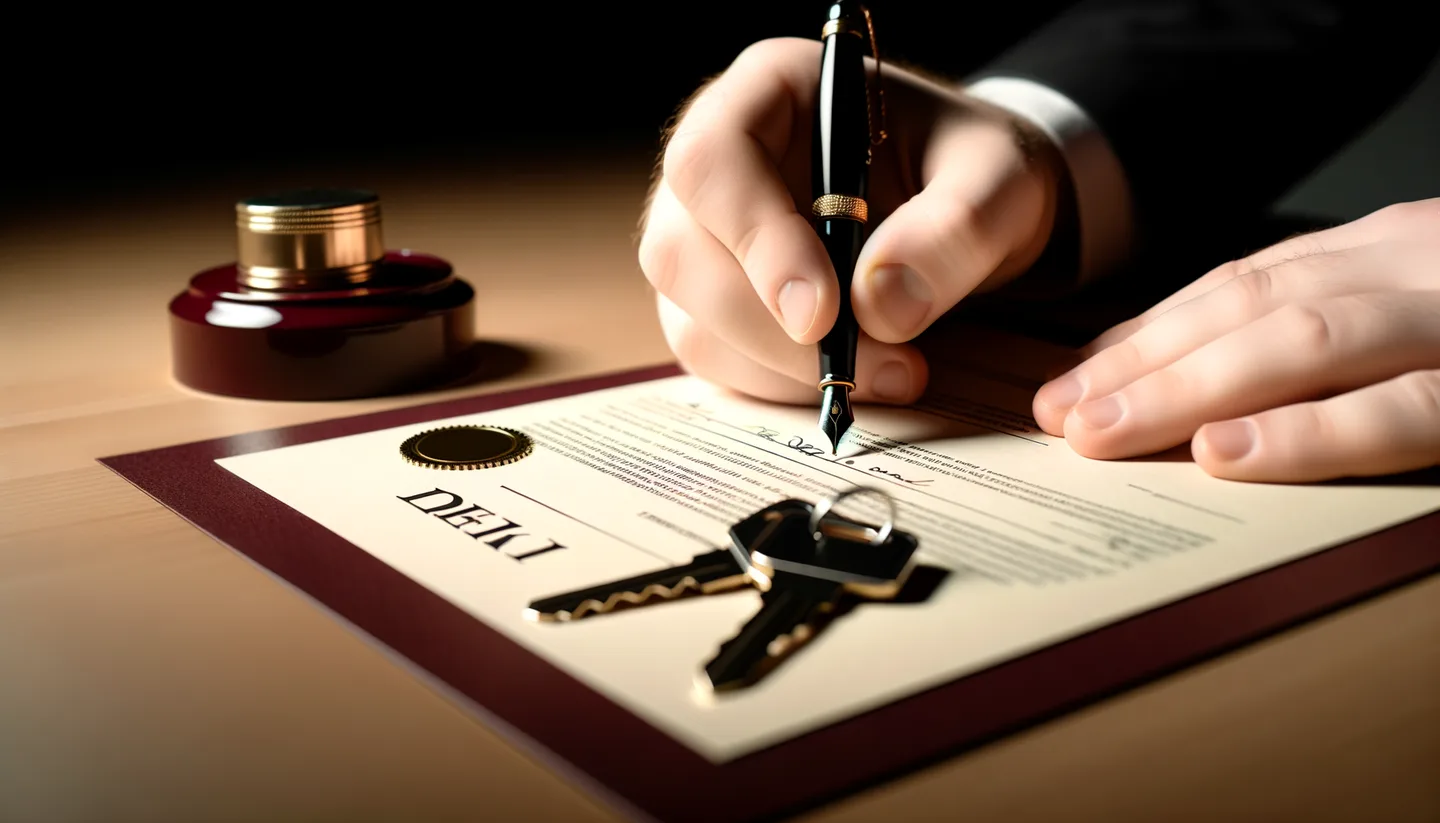
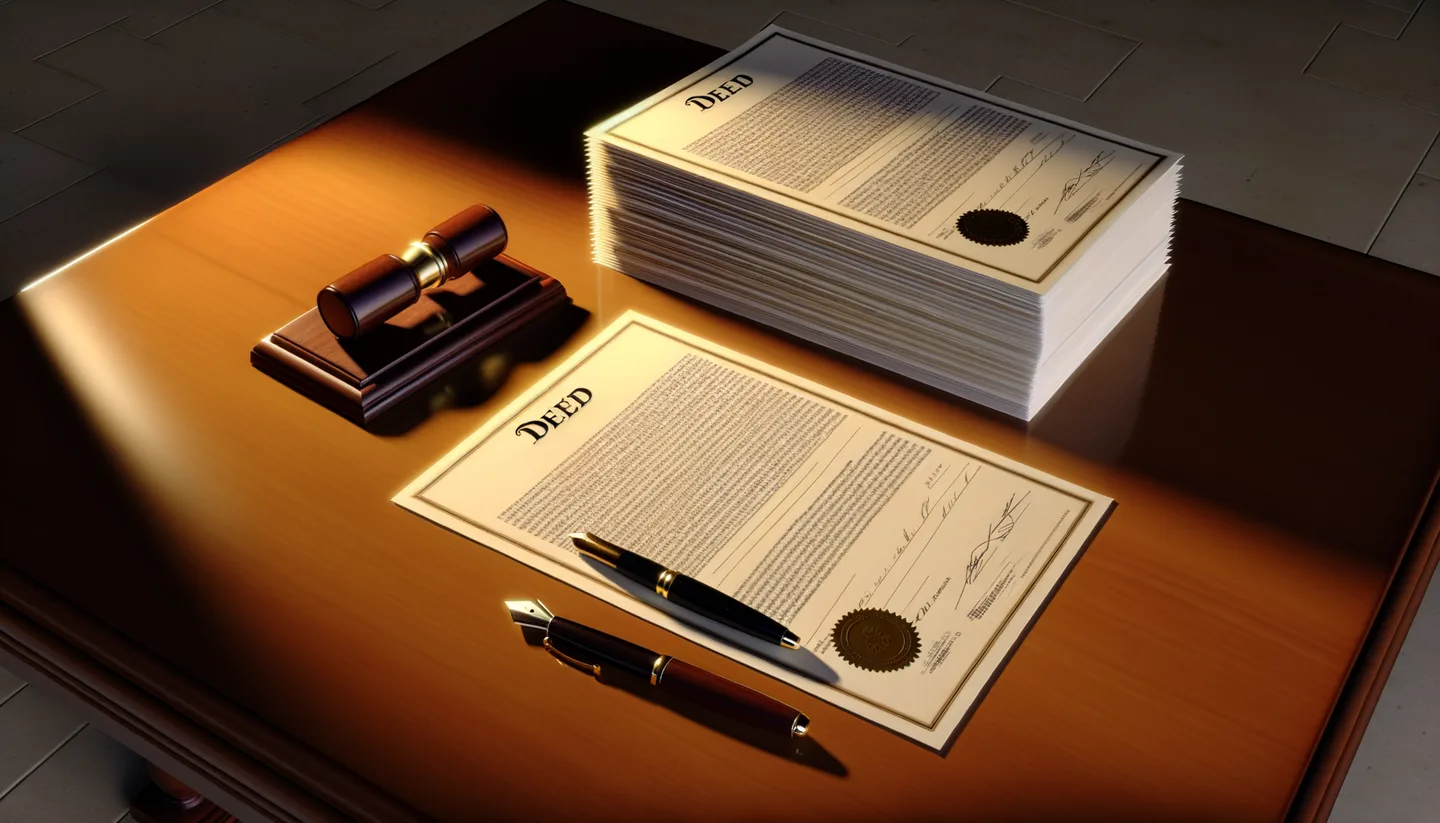
The property deed is the foundation of any land sale. It is the legal document that proves legal ownership and transfers it from one party to another. In California, most transfers use a grant deed, which includes implied warranties that the seller has not previously transferred the property to someone else. A quitclaim deed is another option, though it carries fewer protections for the buyer. The agreement and deed together form the two pillars of the transaction: the sale contract defines the terms, and the deed officially moves the title from the seller to the new owner after the agreement is signed.
A bill of sale is sometimes used in land transactions to document the transfer of any personal property included in the deal, such as farm equipment or timber rights. While it is more common in personal property sales, it can be a useful addition to your documents for selling raw or rural land.
Beyond the title deed and contract, California law imposes several disclosure requirements that affect the value of your property and protect the buyer. You cannot simply list your property and wait for offers without first understanding their legal obligations. Failing to meet those legal requirements can expose you to significant liability after closing.
A real estate attorney can be invaluable during the sale process, especially if the parcel has a complicated history, boundary disputes, or environmental concerns. For buyers and land buyers considering a direct purchase, working with legal counsel ensures that every document is properly drafted and filed. Whether buying or selling, taking the time to gather essential paperwork before you list makes the land sale smoother for everyone involved.
Selling land without a full understanding of California's disclosure rules is one of the most common mistakes landowners make. Even when you think the parcel is straightforward, issues can surface that affect the deal. Knowing your obligations before you sell the property helps protect both parties throughout the transaction.
Navigating Documents Needed in California

If you are looking to sell land in California, the list of documents needed to sell land starts with the purchase contract. The California Association of Realtors developed the Vacant Land Purchase Agreement (VLPA) specifically for these transactions. Unlike a standard residential purchase agreement used when selling a home, the VLPA addresses issues unique to raw parcels, including environmental hazardous substances and zoning considerations. This is the document that locks in the terms of the sale, the purchase price, contingencies, and timelines.
Here are the core real estate documents you will need to complete a California land sale:
- Grant Deed or Quitclaim Deed: Transfers legal title to the new owner after closing. California law requires this to be recorded with the county recorder's office. According to Placer County's Clerk-Recorder, the base recording fee is $14 for the first page and $3 for each additional page.
- Natural Hazard Disclosure Statement (NHDS): Required under California Civil Code § 1103 for every property sale, this disclosure form alerts buyers if the real property sits within an earthquake fault zone, flood hazard area, or fire hazard severity zone.
- Seller's Disclosure of Property Condition: Vacant land is exempt from the residential Transfer Disclosure Statement under California law, but sellers of vacant land are still legally required to disclose all known facts that materially affect the property's value or desirability, even in an as-is sale.
- Preliminary Title Report: Title companies produce this report to identify any liens, easements, or encumbrances on the parcel. Resolving these issues before closing prevents legal issues that could derail the transaction.
- Land Survey: While not always legally required, a current land survey confirms exact boundaries and can prevent disputes with neighbors or the buyer after closing.
- Subdivision Map Act Compliance Statement: Under California Government Code § 66410, if the parcel was created through subdivision, the sale contract must include a signed statement confirming compliance with the Subdivision Map Act.
- Closing Disclosure / Settlement Statement: Prepared by the escrow company, this document itemizes all closing costs, credits, and final figures for both sides.
The documents you need may vary depending on the parcel's location and history. A licensed escrow officer can help coordinate the required documents and ensure everything is in order before the deed is recorded. Note that California law requires escrow agents handling real property to be licensed by the California Department of Financial Protection and Innovation (DFPI), which adds an important layer of consumer protection to the process.
Potential Challenges With Documents Needed To Sell in CA

Even when you feel ready to sell, complications can arise that slow things down or put the deal at risk. Understanding the most common pitfalls helps you address them before they become serious problems.
One of the most frequent issues involves the legal description of the property. Every legal document used to transfer land must contain an accurate description of the property, typically a metes-and-bounds description or a reference to a recorded plat map. If the legal description on an old deed does not match current county records, the transaction can stall until the discrepancy is resolved. A real estate lawyer can help correct these errors before they derail the selling process.
Another challenge arises when you decide to sell land by owner without professional help. Going the land by owner route is entirely legal in California, but it requires you to manage every important document yourself. Missing a required disclosure or using an incorrect form can expose you to liability under California Civil Code § 1102.13, which holds sellers responsible for actual damages caused by negligent or willful non-disclosure.
Title issues are another common obstacle. If there are unresolved liens, probate complications, or unclear ownership of the property, the escrow process can become lengthy. Anyone looking to purchase the property will likely require a clean title before proceeding, so resolving these matters early keeps the deal on track.
California's tax rules add another layer of complexity to selling a property. The state charges a Documentary Transfer Tax of $1.10 per $1,000 of the sale price across all 58 counties. Some cities go further, Berkeley, for example, imposes up to $25.00 per $1,000 on higher-value properties. Unlike the federal system, California does not offer a lower tax rate for capital gains, so profits from a land sale are taxed as ordinary income at rates ranging from 1% to 13.3%, according to the California Franchise Tax Board.
If you need to list your land and are using an agent, a listing agreement is a legal document that outlines the terms of that relationship, including the commission and listing period. Make sure you understand what you are agreeing to before signing. For those with property in rural or less-populated areas, such as Lassen County, connecting with buyers who specialize in vacant land can simplify the entire process and reduce paperwork friction. For a smooth sale, start gathering your documents well before you have a buyer in hand.
Selling Land FAQ for California Landowners
How to avoid paying capital gains when selling land?
This is one of the most common questions in the process of selling land in California. A few strategies may help reduce your exposure. A 1031 exchange allows a property owner to defer capital gains taxes by reinvesting the proceeds into a like-kind property within specific time limits. Installment sales, where the buyer pays over time via a land contract, can spread the tax liability across multiple years. Donating land to a qualified nonprofit or land trust is another option. Because California taxes all capital gains as ordinary income, with no preferential long-term rate, consulting a tax professional before you close is strongly recommended. The right approach depends on your situation, and qualified legal advice is worth the cost.
What are the four legal documents?
While every transaction is unique, four essential documents appear in nearly every California land sale. First, the purchase and sale agreement (the Vacant Land Purchase Agreement for raw parcels) establishes the terms agreed upon by both parties. Second, the grant deed transfers the title to the property to the buyer at closing. Third, the Natural Hazard Disclosure Statement notifies the buyer of any hazard zone designations. Fourth, the settlement statement prepared by escrow summarizes all financial figures and closing costs. Depending on the parcel, additional documents related to surveys, easements, or subdivision compliance may also be required.
Are tax records necessary when selling land?
Yes, tax records are a practical part of any land sale. They confirm the assessed value, verify that property taxes are current, and help establish the sale price during negotiations. A buyer will typically want to review tax records as part of their due diligence to confirm who legally owns the land and whether any back taxes are owed. Unpaid property taxes become a lien against the parcel, so clearing them before closing protects both parties. The county assessor's records also help verify property lines and confirm the parcel's legal description, which is referenced in the land purchase agreement.
Are there risks involved in selling land without legal help?
There are real risks to managing a sale on your own. A real estate agent or attorney brings knowledge of current forms, disclosure rules, and local requirements that most landowners simply do not have. Skipping professional guidance increases the chance of using outdated documents, missing required disclosures, or creating a purchase and sale agreement that does not protect your interests. California's disclosure laws are strict, selling a house or vacant parcel without meeting them can lead to post-closing litigation. For straightforward deals, many sellers manage successfully without an agent, but property ownership disputes, title complications, or tax questions generally benefit from professional input before documents are signed.
Ready to Sell Your Land? Next Steps
Selling land in California does not have to be overwhelming. Once you understand what a real estate purchase agreement requires, what disclosures the law mandates, and how property tax obligations factor into your net proceeds, you are in a much stronger position to move forward confidently.
Gathering your documents early, deed, purchase agreement, disclosure forms, and tax records, puts you ahead of most sellers and helps avoid delays at closing. If you want to sell your land without the hassle of the traditional process, a direct sale to a cash buyer is worth exploring. Transactions can sometimes close in as little as 2 weeks, with far less paperwork coordination on your end.
If you own land in Mendocino County or elsewhere in California and want to understand your options, feel free to reach out. There is no obligation, just a straightforward conversation about your parcel and what next steps might look like for you.
Need to sell your California land? We buy land directly from owners for cash, with no fees, no commissions, and we close in as little as 2 weeks.
Loading form...