Sell Land To A Developer in California: Step-by-Step Guide
Selling Land To A Developer in CA: The Basics
If you want to sell your land to developers, the process is more involved than a typical home sale -- but it can also be significantly more lucrative. Developers are generally looking for raw land or underutilized parcels with strong growth potential. They evaluate a property based on location, zoning, access to utilities, and whether the necessary permit approvals are achievable within a reasonable timeframe.
The key is understanding what a developer actually needs before you approach one. When you sell your land, you're not just transferring a deed -- you're handing over a future project. The more you know about your parcel's development potential, the stronger your negotiating position will be. This guide walks you through what to expect from start to finish.
Real Estate in CA: Background and Context
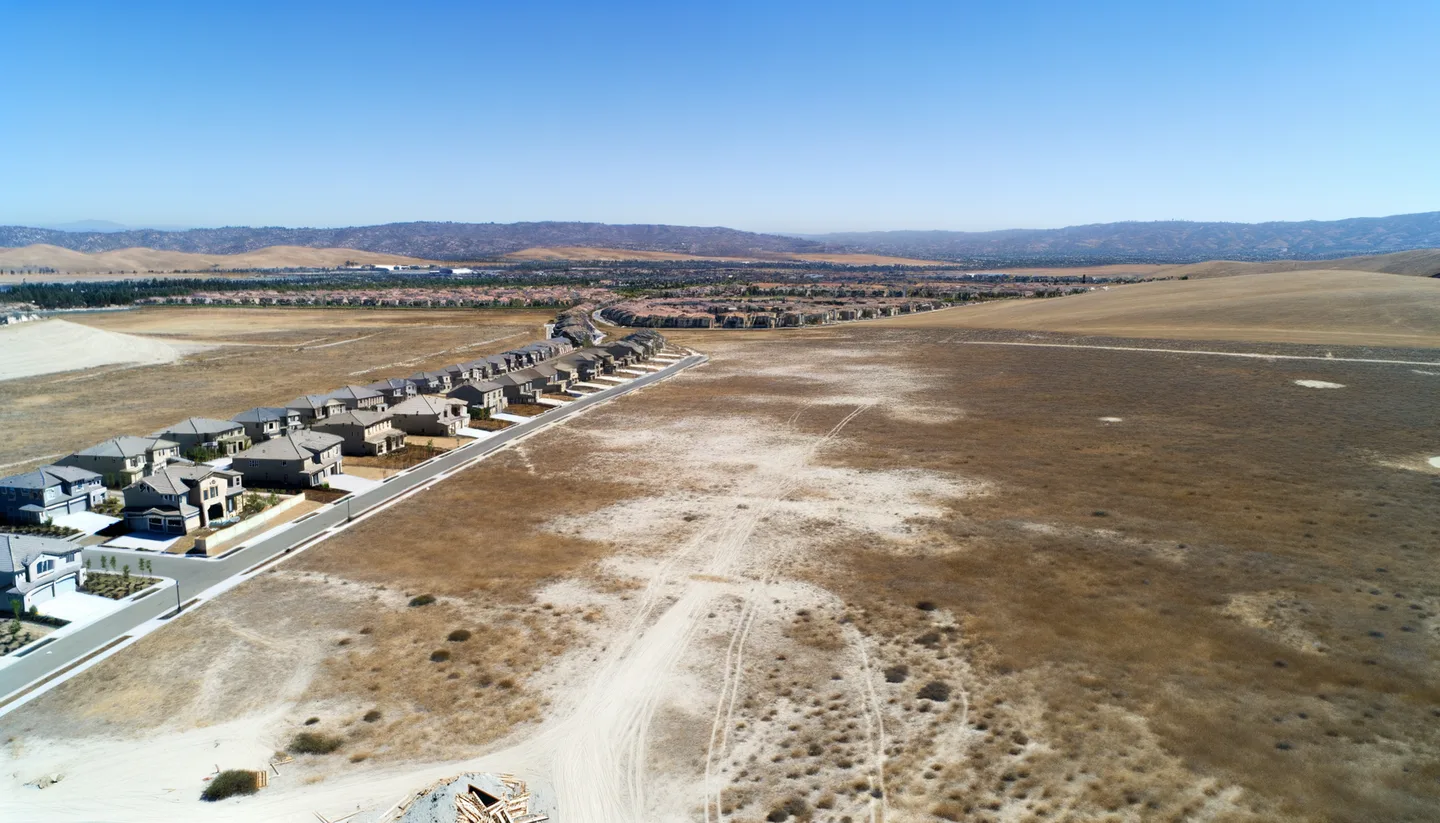
California's real estate market is one of the most dynamic and complex in the country. For any landowner thinking about their options, understanding the landscape before you list is essential. The state's growing housing shortage, infrastructure demands, and commercial expansion have kept land developers actively searching for suitable parcels -- from a single vacant lot in a suburban neighborhood to a large agricultural tract in the Central Valley.
For landowners looking to sell, the opportunity is real, but so are the challenges. Selling land to developers isn't the same as listing a house with estate agents. Developers are skilled negotiators who evaluate every deal through the lens of profit margin and risk. They will analyze the value of your land based on its zoning classification, topography, proximity to infrastructure, and what the market will bear for the finished product -- whether that's residential homes, a mixed-use complex, or commercial space.
Market conditions matter enormously in California. Local demand, interest rates, and regional development trends all influence what a real estate developer will pay. Properties in your area may be selling at a premium if a city is expanding toward them, or at a discount if infrastructure costs are high.
One factor that catches many sellers off guard is property taxes. Under California's Proposition 13, when undeveloped land changes hands, it gets reassessed to its current fair market value. That reassessment can significantly increase the buyer's future tax burden, which developers account for when calculating their offer. As a potential land seller, understanding this dynamic helps you anticipate the developer's perspective during negotiation.
California also has strict rules around approval processes for development land. Zoning, environmental review, and subdivision regulations all play a role -- and a developer's offer will reflect how much work lies ahead before a shovel can go in the ground.
Step-by-Step: How to Sell Land To A Developer in California
1. Understand your zoning. Before you do anything else, confirm how your parcel is currently zoned. Whether it's agricultural, residential, commercial, or mixed-use makes a significant difference in who will be interested and what they'll pay. California's zoning is enforced at the county or city level, so check with your local planning department. Note that California's Senate Bill 6 (Middle Class Housing Act of 2022) now allows residential development on land zoned for retail, parking, or office space -- without a formal rezone -- which has expanded options for owners of commercially zoned vacant land.
2. Research market trends and similar properties. Look at what comparable parcels have sold for recently. Tracking market trends in your area gives you a realistic sense of property value before you open any conversations with land buyers.
3. Gather your documents. Have your title, survey, and any existing land development reports ready. Buyers move faster when information is easy to access. If you're selling land in El Dorado County or another area with significant agricultural or rural land use, having your Williamson Act status confirmed early can prevent surprises later in the selling process.
4. Identify the right buyers. Not every developer is looking for the same thing. Some focus on residential subdivisions, others on commercial projects. Target buyers whose recent projects match what your parcel could realistically support. Reaching out to local builders, attending planning commission meetings, and working with a land-focused broker are all practical ways to connect with serious buyers.
5. Negotiate the agreement. When you sell land to a developer, the purchase contract often includes contingencies -- time to conduct due diligence, environmental review, or secure financing. Understand what each contingency means for your timeline and what happens if the buyer walks away. Some sellers prefer a cleaner, faster sale rather than waiting out a lengthy entitlement process.
6. Navigate closing. Work with a title company and a real estate attorney to handle the sale of your property properly. California has specific transfer tax requirements, so factor those costs into your net proceeds.
What to Watch Out For When Selling Land To A Developer in California
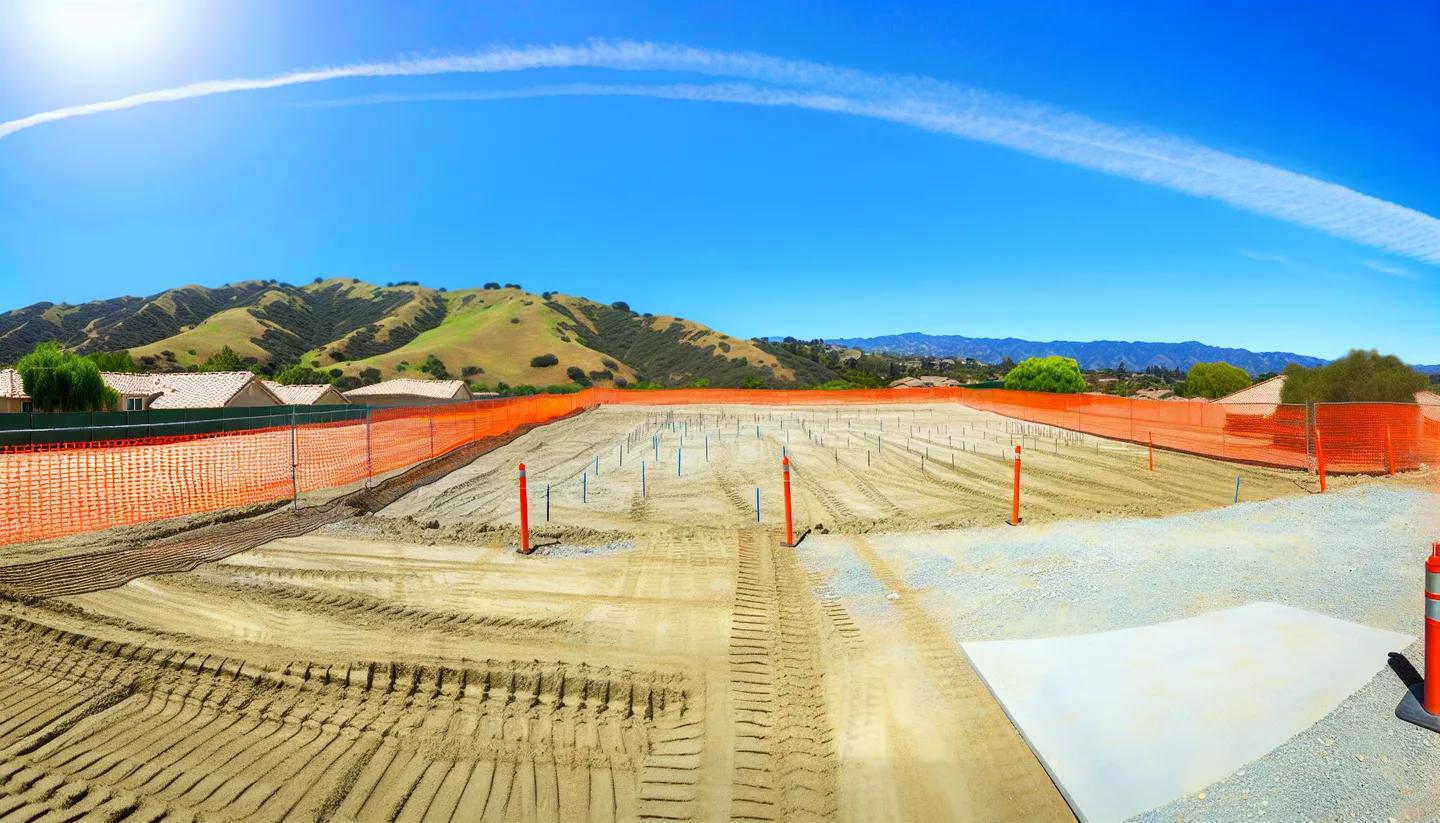
Selling land in California comes with several pitfalls that catch even experienced property owners off guard. Here are the most important ones to understand before you get too far into the sales process.
Environmental review requirements. The California Environmental Quality Act (CEQA), enacted in 1970, requires environmental review for any development project needing a discretionary approval from a state or local agency. According to the California State Lands Commission, if a project may cause significant adverse environmental effects, the lead agency must prepare an Environmental Impact Report. This process can add months or years to a project timeline, which affects how a buyer prices their offer for land for development.
Williamson Act restrictions. If your parcel is enrolled in the Williamson Act, any buyer inherits those agricultural use restrictions. According to the California Department of Conservation, the program protects more than 16 million acres of California farmland through rolling 10-year contracts. Breaking a contract early can trigger a penalty equal to 25% of the fair market value of the land and any incompatible structures -- a real cost that potential buyers will factor into their land acquisition calculations.
Transfer taxes and capital gains. A real estate professional familiar with California land sales can help you understand your full tax exposure. The state's documentary transfer tax is $1.10 per $1,000 of property value, and approximately 40 California cities impose an additional city-level transfer tax on top of that. On the income side, the California Franchise Tax Board taxes all capital gains as ordinary income -- there is no lower rate for long-term gains, unlike at the federal level.
Conditional offers and listing terms. Some buyers will submit a conditional offer tied to rezoning or permit approval, meaning the sale only closes if the project gets the green light. Joint ventures and option agreements are also common in California real estate. Understanding what type of deal a buyer is proposing -- and what your obligations are under each -- matters before you sign anything. A qualified real estate agent or attorney can review any listing agreement or purchase contract with fresh eyes.
Common Questions About Selling Land To A Developer in California
How much will a developer pay for land?
The purchase price a developer offers depends on location, zoning, size, and how much work is needed before building can begin. Developers often work backward from the finished project's market value, subtracting construction costs, fees, and profit margin to arrive at what they can pay for the land. That's called the residual land value method. For reference, irrigated farmland in California commands an average of approximately $18,600 per acre, while the statewide median sits around $14,088 per acre. However, land value in urban or high-demand areas can be dramatically higher. The best way to understand your land's value is to get a formal appraisal and compare it against what similar properties have recently sold for.
How to avoid paying capital gains when selling land?
There are a few strategies a seller can explore with a tax professional. A 1031 exchange allows you to defer capital gains by reinvesting the proceeds into a like-kind property -- a common approach in the process of selling land when the seller plans to reinvest in real estate. An installment sale spreads the transaction over multiple years, which can reduce the tax hit in any single year. Charitable remainder trusts are another option for sellers with highly appreciated property. California does not offer a lower tax rate for long-term gains, so planning ahead is especially important here. Always consult a CPA or tax attorney before you close, since the process of selling and tax strategy need to align before the transaction is final.
Can You Sell Land to a Developer Without a Solicitor?
In California, the term "solicitor" isn't commonly used -- the equivalent would be a real estate attorney. Technically, a seller is not legally required to hire one. However, land deals involving developers often include complex contracts, contingencies tied to entitlement or rezoning, and negotiations over who bears which costs. Skipping legal counsel can leave a seller exposed. At minimum, have a licensed real estate agent review any offer, and consider an attorney for anything involving a commercial property transaction, joint venture, or conditional contract. The cost of professional guidance is almost always less than the cost of a poorly negotiated deal. Developers often have experienced legal teams -- it pays for a seller to negotiate and have representation on their side as well.
Your Options for Selling Land To A Developer in CA
Selling land to a developer in California takes preparation. A proper survey, thorough due diligence on zoning and environmental factors, and clear documentation all help you enter negotiations from a position of strength. Working with planning consultants or a knowledgeable land consultant early in the process can surface issues before they become deal-breakers.
Not every seller wants to wait through a lengthy entitlement process. If you'd prefer a straightforward sale, working with a direct land buyer may be a better fit. Owners in areas like Santa Cruz County have options beyond the traditional developer route. Whatever path you choose, the more informed you are going in, the better your outcome will be. If you have questions about your specific parcel, feel free to reach out -- we're happy to help you think through your options.
Need to sell your California land? We buy land directly from owners for cash, with no fees, no commissions, and we close in as little as 2 weeks.
Loading form...